

Enhance Firefighter
Safety & Effectiveness
Our Funding Priorities:
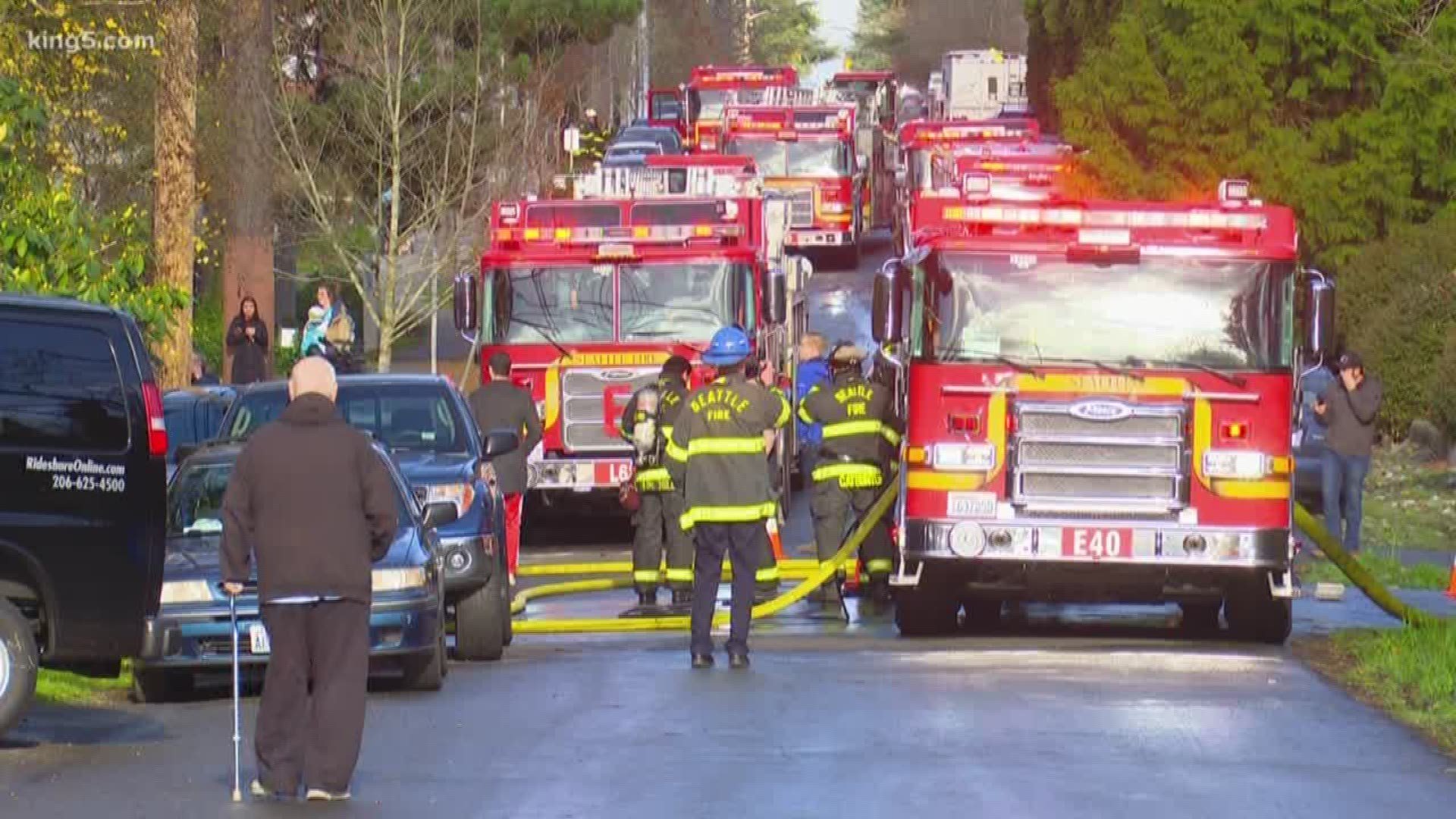
Enhance firefighter safety and effectiveness
Invest in ways to improve the health and wellness of the firefighters
Deepen the Department’s connection with the communities it serves
Rescue Swimmer Program
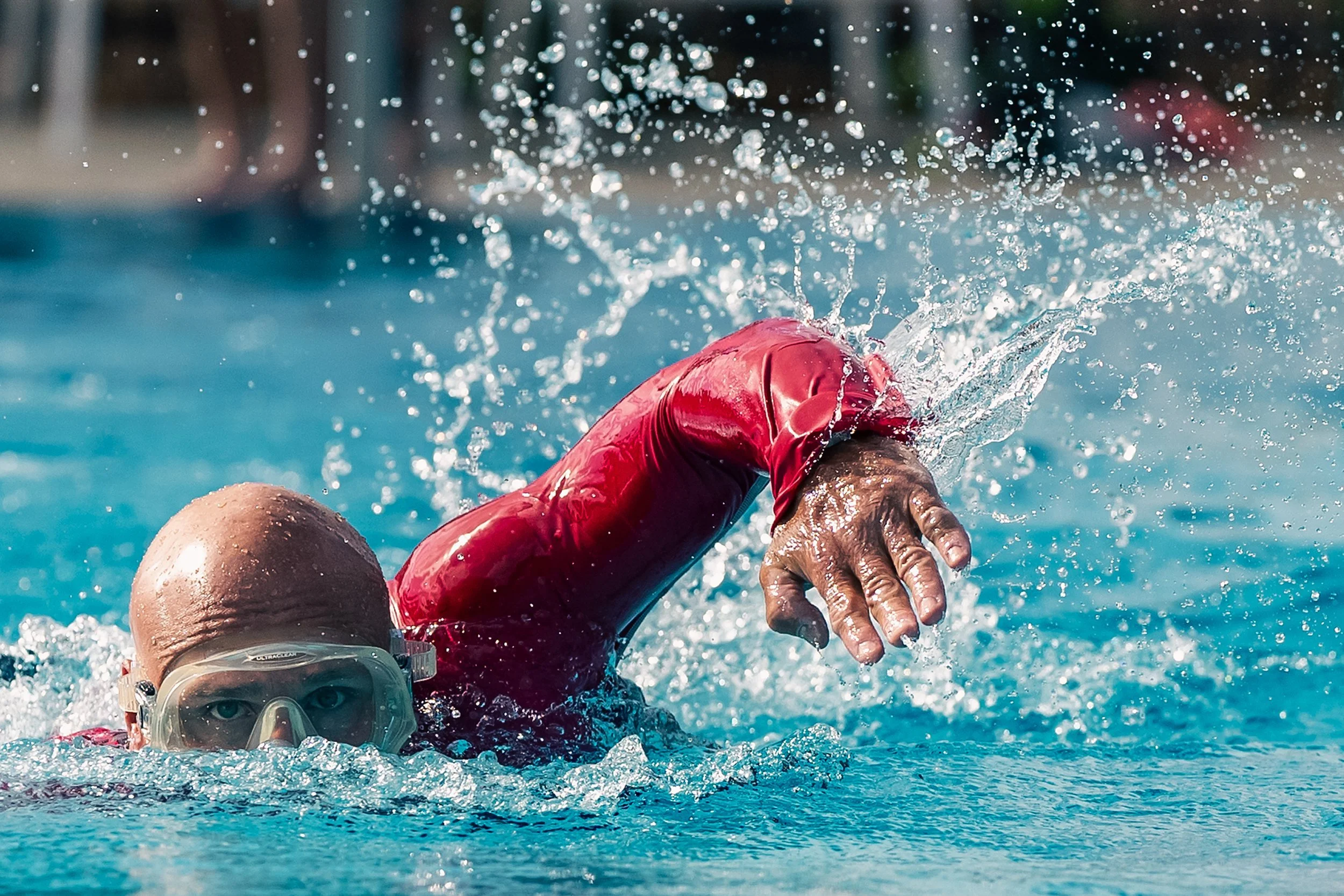
Seattle Fire Department rescue swimmers complete intensive training in pools, lakes and open-water environments, including a 40-hour Rapid Entry Rescue Swimmer program and additional instruction tailored to Seattle’s unique waterfront challenges. To improve both safety and effectiveness in the field, the department needs specialized gear: new wetsuits for protection and rescue strops for ladder truck extractions.
Rescue Watercraft
Pre-deploying specially outfitted watercraft at key points along the Seattle shoreline improves the Seattle Fire Department’s ability to locate and rescue individuals through its dive rescue team. For the past several years, SFF has helped fund this growing program. With funding for one more rescue watercraft, the department will be able to deploy a total of four vessels.
Thermal Imaging Cameras
A vital piece of equipment firefighters use is a thermal imaging camera (TIC). These devices “see” through heavy smoke, assisting firefighters in the search for trapped victims or to ensure their own safe entry and exit routes. The TIC is also an important tool for checking for hidden fire within walls or attic spaces, determining an accurate temperature of the environment prior to making entry and scanning for a liquid spill of a possibly hazardous material. Seattle Fire needs to replace failing and outdated TICs.
Flash Hoods to Reduce Exposure to Cancer-Causing Carcinogens
Firefighters have a greater risk of contracting cancer due to their on-duty exposures to carcinogens. While all firefighters utilize various layers of personal protection while working in and around fires, the traditional flash hoods only protect their skin from high heat. Newer technology has led to the development of flash hoods that also provide a barrier to smoke and chemicals, reducing the wearer’s exposure to cancer-causing carcinogens.